



Yakovlev Yak-7B Fighter
In 1942, a group of Free French fighter pilots escaped occupied France to continue the fight against Nazi Germany. They would go on to form the Normandie–Niemen fighter regiment, flying Soviet-built Yak fighters on the Eastern Front alongside Soviet forces.
Over the course of the war the unit became one of the most decorated Allied air squadrons, recording 273 aerial victories and flying thousands of combat sorties.
Liberté represents the type of fighter these pilots flew into combat.
The Yak Fighters
Liberté, the first aircraft operated by Liberté Flights, is a Yakovlev Yak-7B — part of the Yak fighter family developed during the Second World War by the Soviet Yakovlev design bureau.Aircraft such as the Yak‑1, Yak‑7 and Yak‑9 formed a major part of Soviet fighter forces on the Eastern Front.
Known for their manoeuvrability and strong low-altitude performance, they were designed to be effective combat aircraft while remaining relatively simple to produce and maintain during wartime.
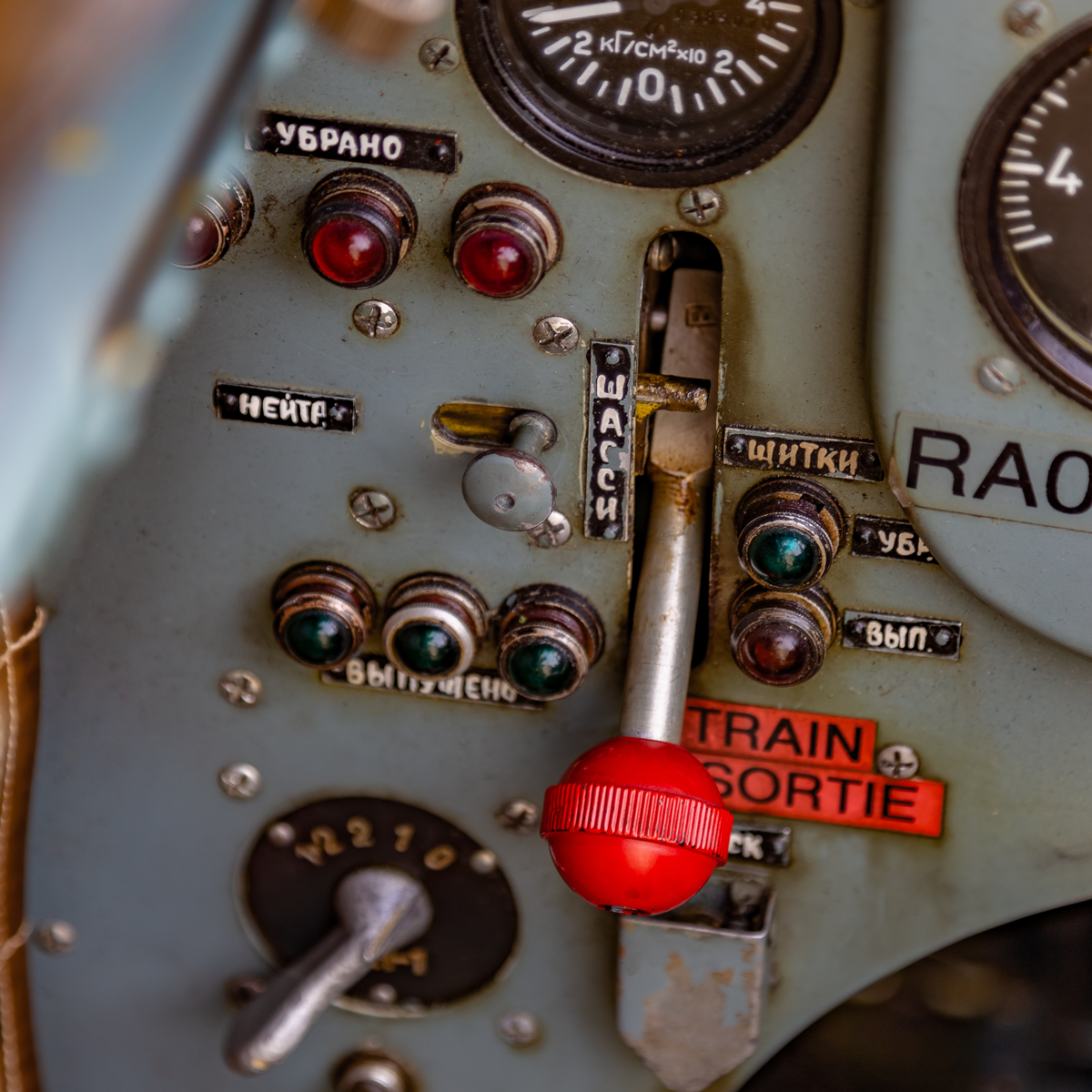
Unlike most fighters of the era, the Yak‑7 was designed with two cockpits and dual flight controls, originally allowing experienced pilots to train new fighter pilots in a real combat aircraft.
That design survives today.
Two cockpits.
Two full sets of controls.
Normandie–Niemen
One of the most remarkable chapters in the Yak fighter story belongs to the Normandie–Niemen fighter regiment.Formed in 1942, the unit was made up of Free French pilots who had escaped occupied France in order to continue the fight against Nazi Germany.
Rather than serving in Western Europe, they were deployed to the Eastern Front, where they flew Yak fighters alongside Soviet forces.
The regiment went on to become one of the most decorated Allied air units of the war, recording 273 confirmed aerial victories, thousands of combat sorties, and receiving decorations from both France and the Soviet Union.
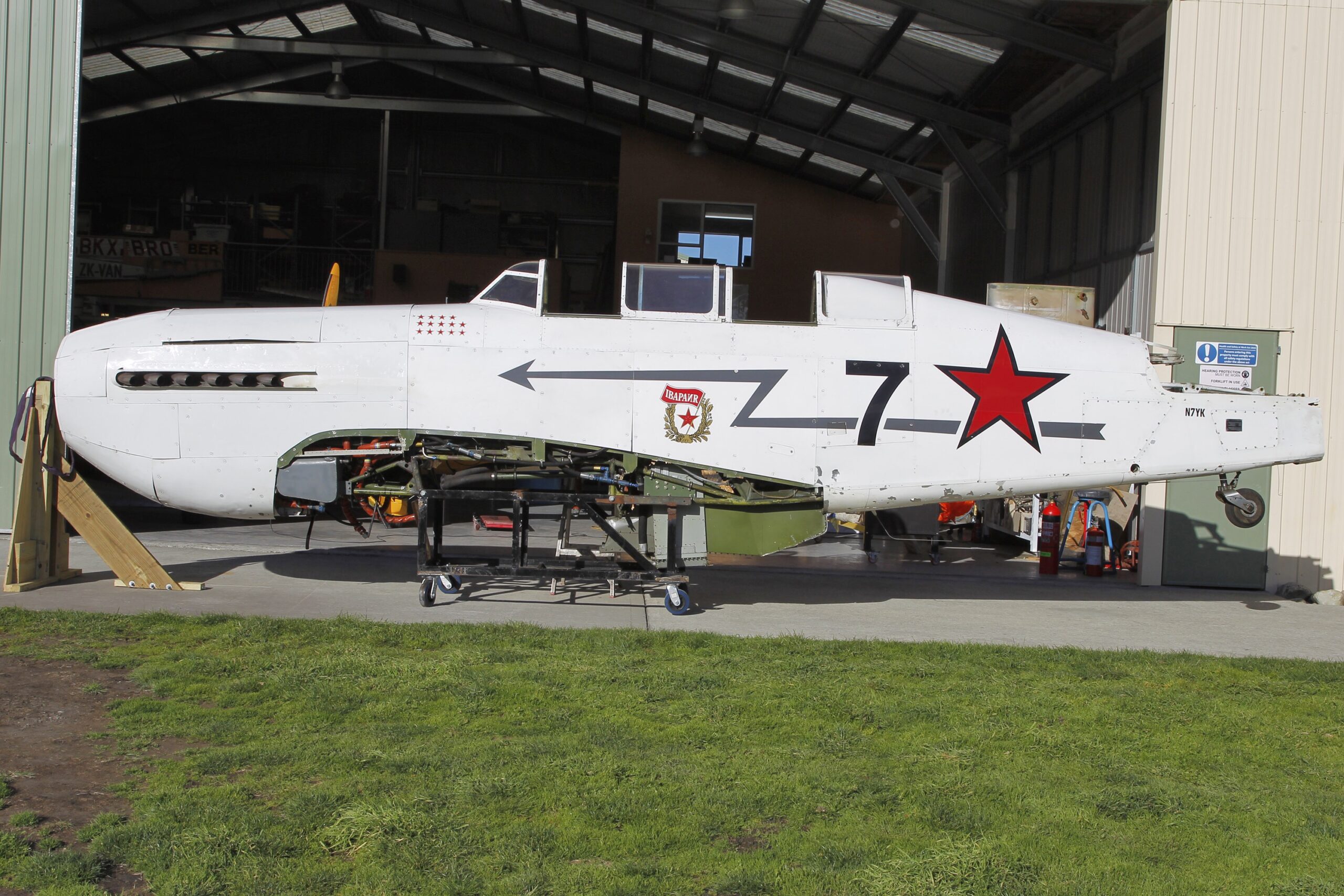
Liberté carries markings inspired by these aircraft as a tribute to the French pilots who flew Yak fighters in combat.
Restoring Liberté
The aircraft that would become Liberté arrived in New Zealand already flying.But the intention was never simply to operate the aircraft as it was.
Instead, the decision was made to strip the aircraft down and rebuild it properly.
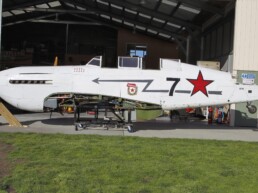
Over the next several years the Yak was progressively dismantled, inspected and rebuilt. Panels were removed, systems examined, and large sections of the aircraft dismantled so the structure and mechanical components could be properly inspected.
The process took more than six years.
Back to the Structure
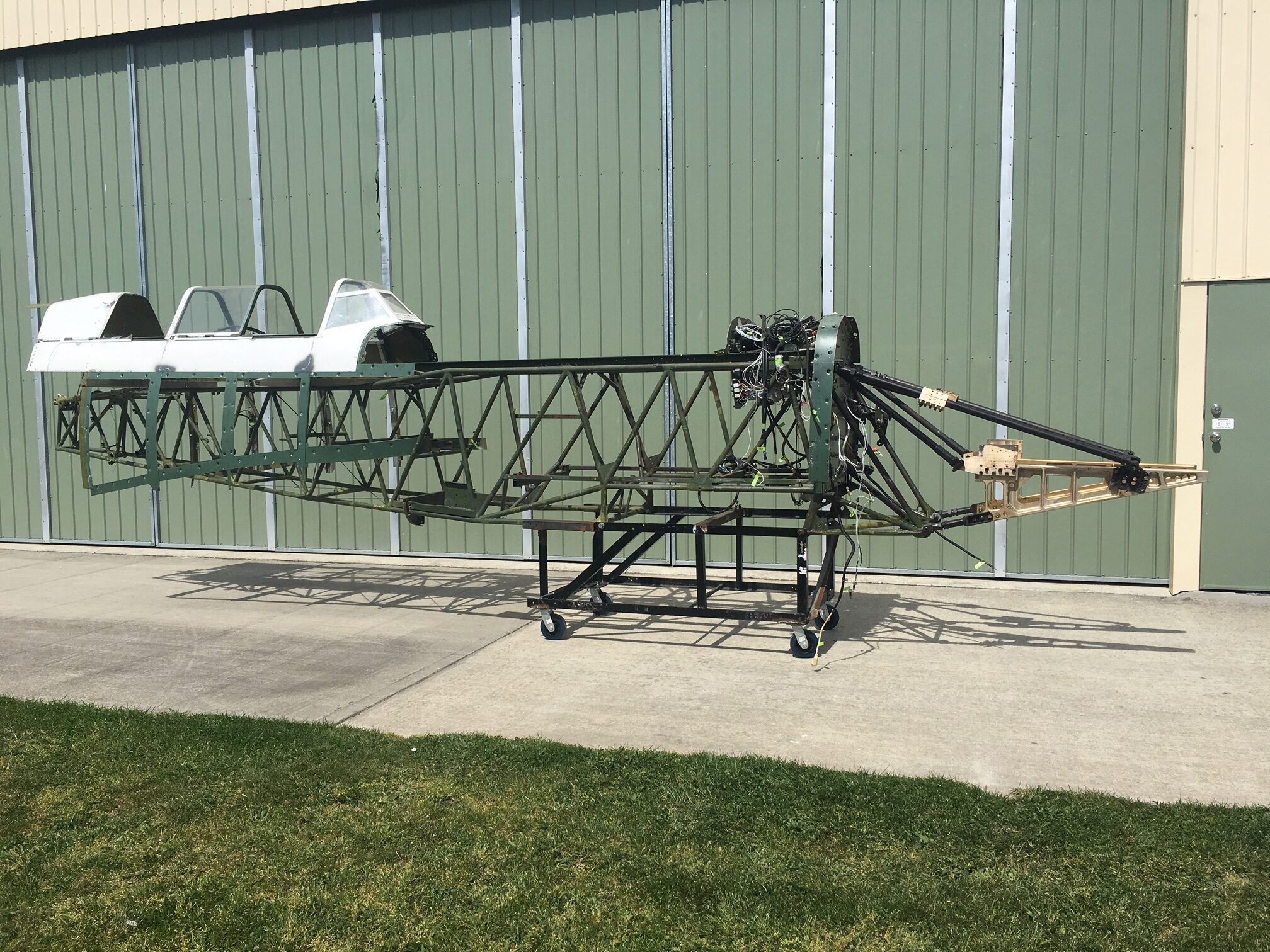
As the aircraft was dismantled, the underlying structure of the Yak became visible.The Yak‑7 uses a steel tube fuselage structure, with wooden and metal components forming the rest of the aircraft around it. During restoration this framework could be inspected directly before the aircraft was rebuilt around it.
Seeing the aircraft in this state gives a sense of how these fighters were constructed — simple, strong, and designed to be maintained under wartime conditions.

The Engine
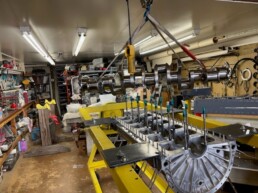
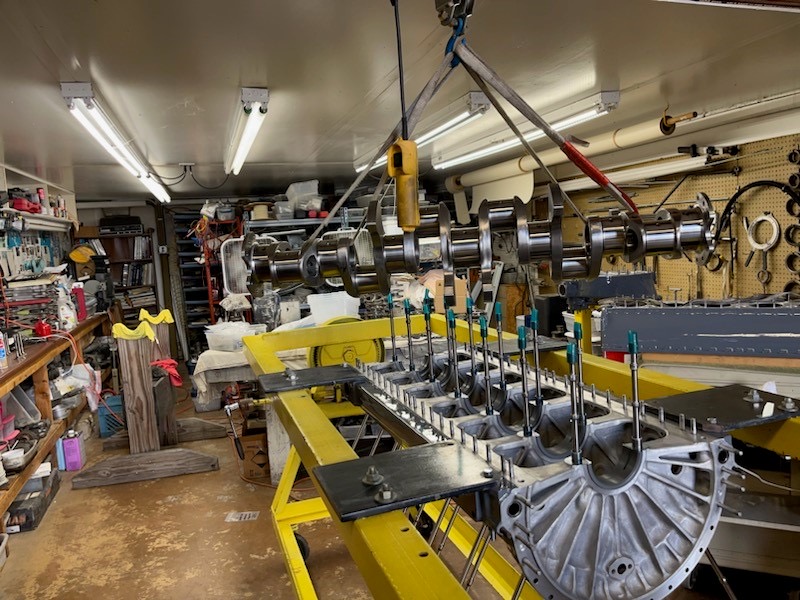
The engine and associated systems were also removed and inspected during the restoration.Large components such as the crankshaft, pistons and engine cases were dismantled so they could be examined and rebuilt where required.
Photographs from the restoration show the engine components laid out across the workshop — a reminder of how much mechanical work sits inside a fighter aircraft.
Reassembly
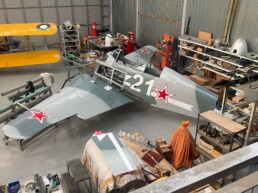
Once the structure and major systems had been inspected and rebuilt, the aircraft was gradually reassembled.The fuselage, wings and control systems were reinstalled and the aircraft slowly began to take shape again.
For much of the project the Yak existed in this halfway state — part aircraft, part engineering project — before the final stages of assembly were completed.
Historic Appearance
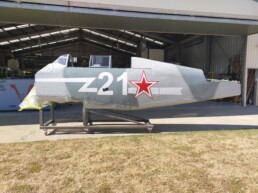
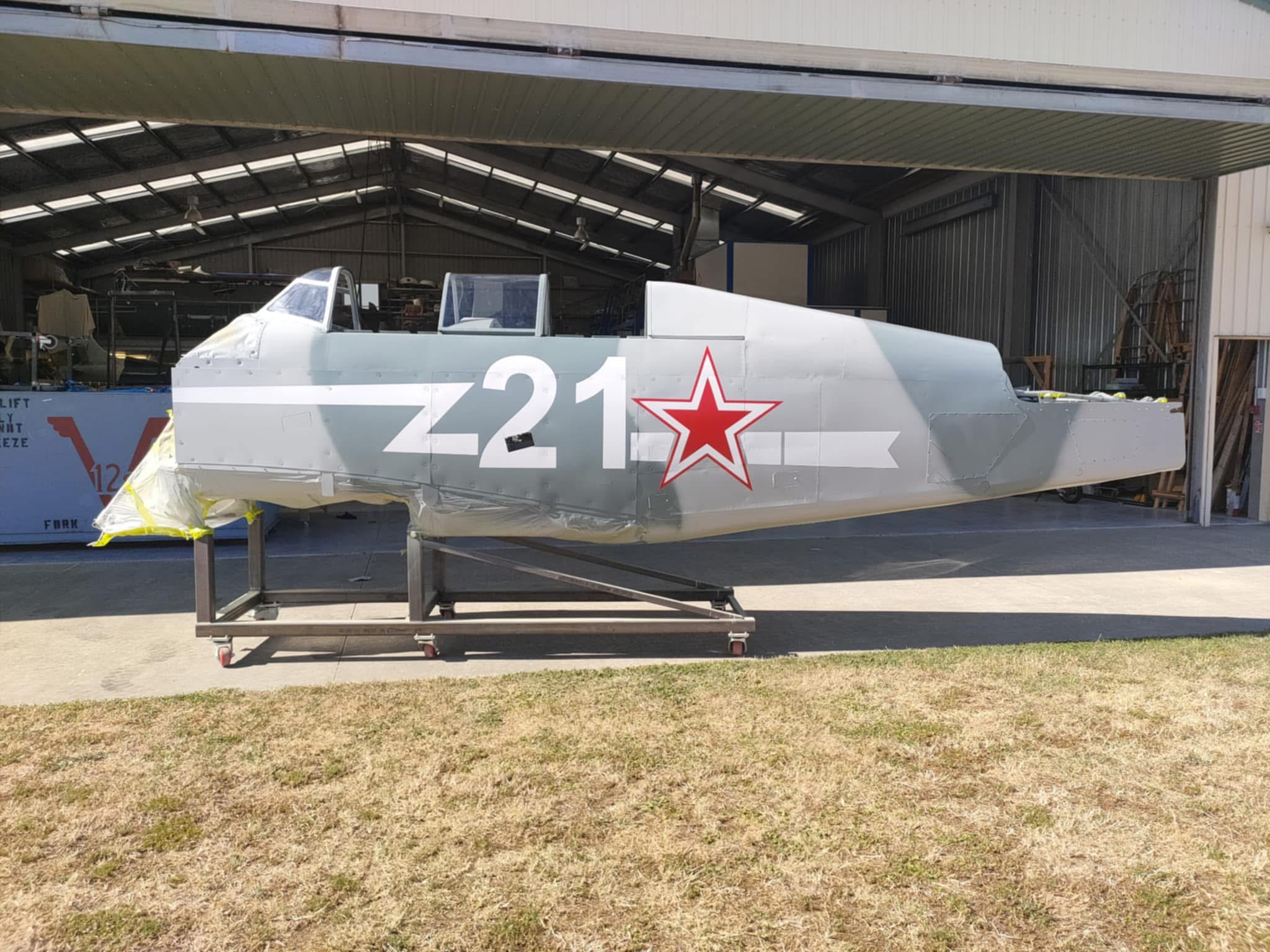
Earlier civilian paint was removed during the restoration.The aircraft was repainted in a scheme inspired by wartime Yak fighters, reflecting the aircraft flown by the Normandie–Niemen regiment.
The markings retain traditional Yak fighter elements while incorporating the French tricolour tail, honouring the Free French pilots who flew Yak aircraft in combat.
Flying again
Today Liberté flies again as the first aircraft in the Liberté Flights fleet.For many aircraft of this era, the story ends in a museum.
Liberté continues its story in the air. A living warbird — experienced from the cockpit, in your hands.

Be Among the First to Fly
Liberté Flights is preparing to launch New Zealand’s only dual-control WWII fighter experience.
Register now to receive:
- Early booking access
- Exclusive launch discounts
- Notification when flights begin